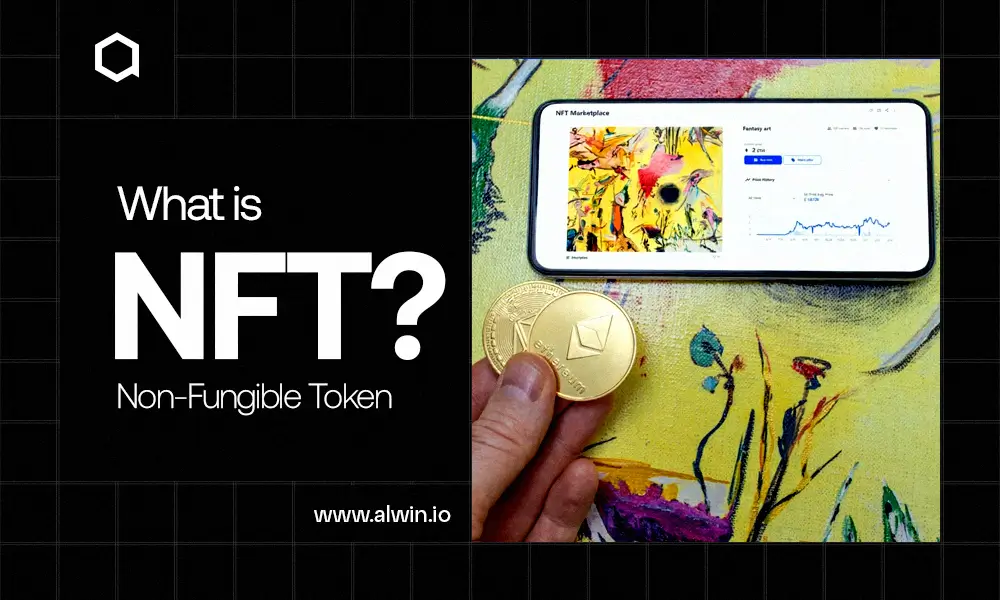
NFTs, or Non-Fungible Tokens, are changing the way we own and value things in the digital world. Each NFT is unique and cannot be replaced by another, in contrast to regular cryptocurrencies. They can be digital art, music, videos, or even virtual items in games, and their ownership is recorded on the blockchain, making it safe, secure, and easy to verify. This technology gives creators a new way to earn from their work, while collectors and fans can own something rare and valuable online. NFTs are more than just digital files—they represent a new opportunity to connect, invest, and create in the online world.
In this blog, we will explain what NFTs are, how they work, and why they are gaining popularity. By the end, you will have a clear understanding of NFTs and learn how to use them safely and confidently.
What is Fungible?
"Fungible" refers to something that can easily be switched or replaced with another of the same type without losing value. Money, stocks, and gold are examples since each unit is equal and may be freely traded. This makes trading, investing, and daily transactions simple and trustworthy. Understanding fungible items helps people trust that the value they hold or exchange is consistent and secure.
What is an NFT (non-fungible token)?
Non-fungible tokens, or NFTs, are individual digital products that serve as online proof of ownership for collectibles, music, art, and videos. Because each NFT is unique, it is rare and precious. With NFTs, artists can sell their creations directly to a worldwide audience while maintaining authenticity documentation. Owning an NFT is more than having a file; it is being part of a new digital world of creativity and innovation.
The Journey of Non-Fungible Tokens (NFTs)
NFTs started in the early 2010s as an idea to create unique digital items using blockchain technology. People wanted a way to prove ownership of digital assets that could not be copied or changed. This idea slowly grew into a new way to value and own digital creations.
NFTs gained popularity in 2017 with initiatives like CryptoKitties, which allowed users to collect and exchange unique virtual cats. These projects showed how digital art, collectibles, and games could have real value. It was the first time blockchain technology became something everyone could understand and enjoy.
Today, NFTs are part of art, music, gaming, and brands, giving creators new ways to share and earn from their work. They help fans and users own a part of digital culture in a secure and verifiable way. NFTs continue to grow, creating a future where creativity and technology meet real value.
How NFTs Work Step by Step?
Digital products such as music, films, or artwork are created by creators and then minted on a blockchain to create NFTs. This gives each item a unique identity and proves who owns it, making it impossible to copy or fake.
The NFT is safely stored on the blockchain, where all transactions are clear and easy to track. This builds trust because anyone can check the ownership history anytime.
People search for digital products they enjoy in NFT marketplaces. When someone buys an NFT, it goes straight to their digital wallet, giving them full control over it.
Owners can keep, sell, or trade their NFTs. Every sale is recorded on the blockchain, and creators often earn a percentage automatically when their NFT is resold.
NFT value grows with rarity, popularity, and community interest. They are not just money; they create connection, letting fans support creators, enjoy exclusive content, and own unique digital items that matter personally.
What are NFT Blockchain Platforms?
NFT blockchain platforms are online systems that let people create, buy, sell, and trade unique digital items called non-fungible tokens (NFTs) safely and transparently. These platforms use blockchain technology to record every transaction, guaranteeing each NFT is original, secure, and fully owned by its creator or buyer. They include simple tools and smart contracts that make it easy for artists, gamers, and businesses to sell digital art, music, collectibles, and virtual goods. By providing trust, security, and clear ownership, NFT blockchain platforms give creators a new way to earn, while collectors and users can safely invest in digital assets. They are changing the way value and creativity are shared in the digital world.
What Are the Popular & Unique Types of NFTs?
Digital Art NFTs
Digital art NFTs are one of the most popular types, giving artists a chance to sell their work in a new way. Each piece is recorded on the blockchain, making it rare and original. Collectors love them because they hold both creative value and digital proof of ownership.
Rare Collectible NFTs
Collectible NFTs are valued for their rarity and limited supply. They work like digital versions of special items people collect in real life. The more exclusive they are, the higher their demand and long-term worth in the market.
Immersive Music NFTs
With music NFTs, fans can acquire exclusive songs, albums, or even backstage passes to their favorite performers. They create a direct bond between musician and listener. This makes the music experience more personal and rewarding for both sides.
Cinematic Video NFTs
Video NFTs create digital assets from snippets, short films, or memorable moments. They help creators protect their work while letting fans collect pieces of storytelling history. Owning one feels like keeping a piece of culture in digital form.
Iconic Avatar NFTs
Avatar NFTs are more than profile pictures—they represent identity in online spaces and the metaverse. People use them to show personality, status, and style. They give a sense of belonging in digital communities.
Interactive Game NFTs
Players' interactions with online worlds are altered by game NFTs. Characters, weapons, and skins can all be purchased, exchanged, or sold for actual money. This makes gaming not just fun but also rewarding in real life.
Virtual Real Estate NFTs
Virtual land NFTs bring property ownership into the digital world. Owners can build, rent, or sell their virtual land just like real estate. As the metaverse grows, this type of NFT is becoming a future-focused investment.
Legendary Trading Card NFTs
Trading card NFTs mix nostalgia with modern technology. Each card has a set rarity, making it unique and valuable. Collectors enjoy them as both a hobby and a potential long-term asset.
Viral Meme NFTs
Meme NFTs turn internet jokes and trends into valuable collectibles. They capture humor and culture in a way that lasts beyond social media. For collectors, they are fun, meaningful, and often priceless.
Exciting Future Of NFTs
NFTs are moving from just digital art to real-world use like property, music, and tickets. This change makes ownership easier, safer, and more trusted for people everywhere.
New NFT features, such as rewards and royalties, are giving extra value. Creators earn a fair income while buyers enjoy long-term benefits that keep growing.
In gaming, NFTs are creating true digital ownership. Players can sell, trade, or move their items across games, making the experience more personal and rewarding.
Brands are utilizing NFTs to foster stronger connections with their audience. From special collectibles to unique offers, people feel more connected and valued.
The future of NFTs is focused on trust, global reach, and security. With innovations, NFTs will shape the next digital economy and transform our understanding of ownership forever.
Summing Up
NFTs are a new way to show real ownership of digital things like art, music, or collectibles. They help creators protect their work and give buyers proof that what they own is one of a kind. While the idea may feel new, NFTs are slowly becoming a part of how we trade, create, and share value online. As technology grows, it could change the future of digital business, creativity, and trust on the internet. Learning about NFTs today can help you stay prepared, make smarter choices, and be ready for the opportunities of tomorrow.